
If you’re a student looking at cybersecurity in 2026, you’re probably seeing two things: news about AI-driven cyberattacks and influencers telling you that you can make $100k a year immediately with one certification.
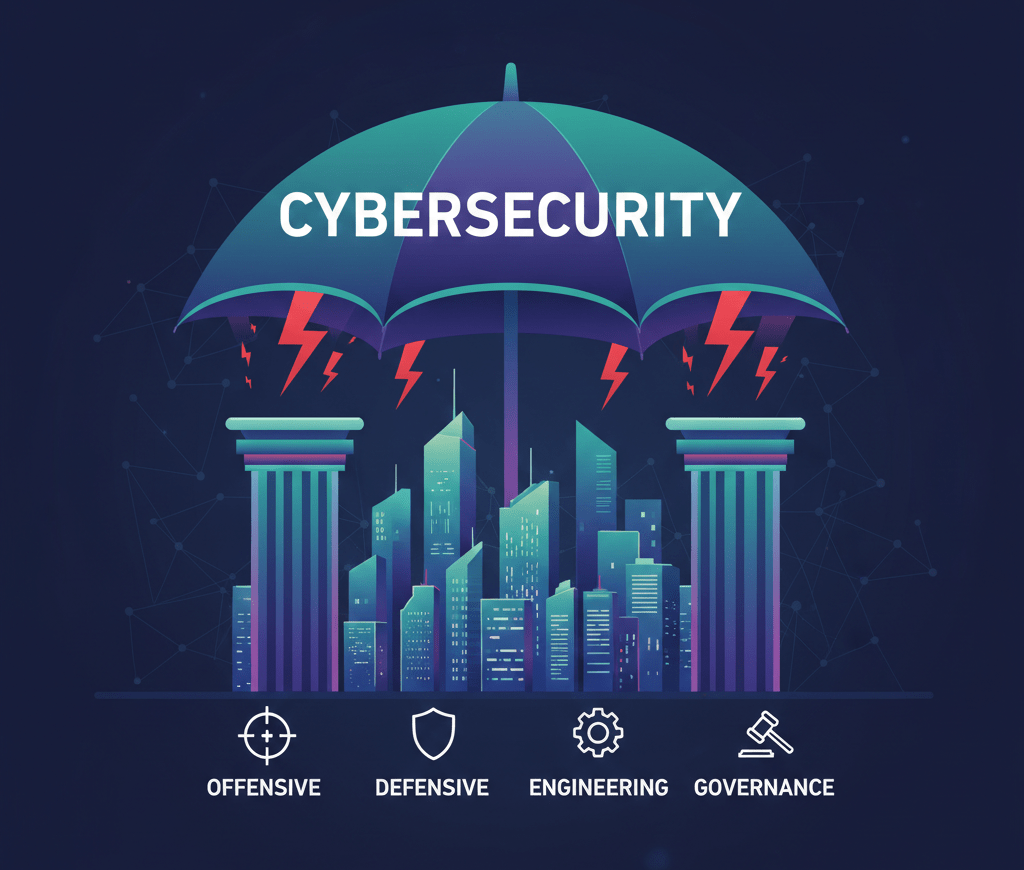
The reality is messier. “Cybersecurity” isn’t a single job—it’s a massive industry, like “Healthcare.” Saying you want to work in cyber is like saying you want to work in a hospital; do you want to be a brain surgeon (Pentester), an ER doctor (Incident Responder), or the hospital administrator (GRC)?
This guide cuts through the noise. We’ll look at what you actually need to know before you start, and which path fits your personality in the current 2026 market.
Before you choose a specialization, you need a foundation. In 2026, employers are tired of “Paper Tigers”—candidates with certifications but no understanding of how computers actually work.
You cannot protect (or break) a system if you don’t know how it functions. Master these three pillars first:
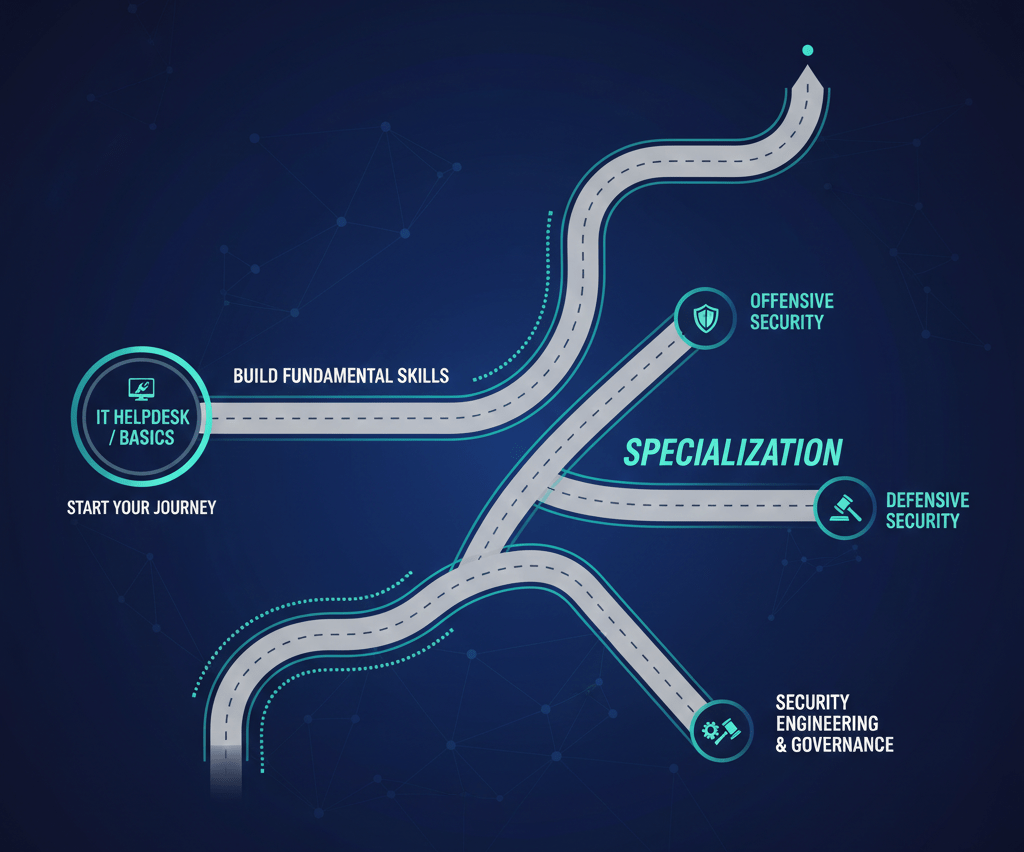
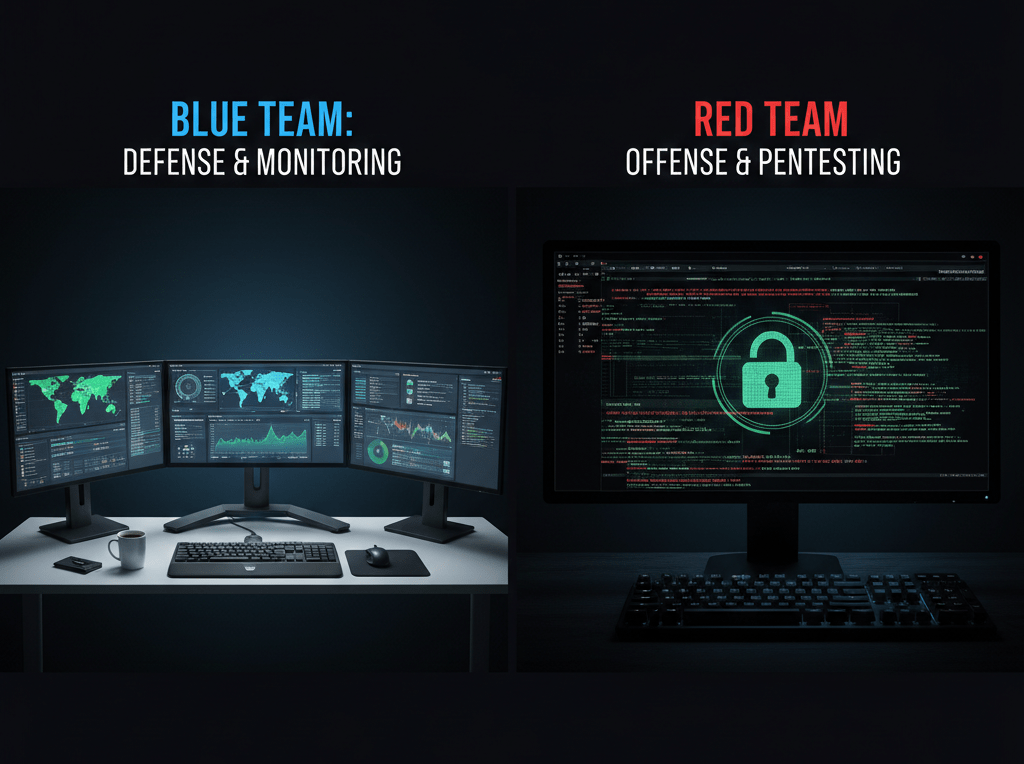
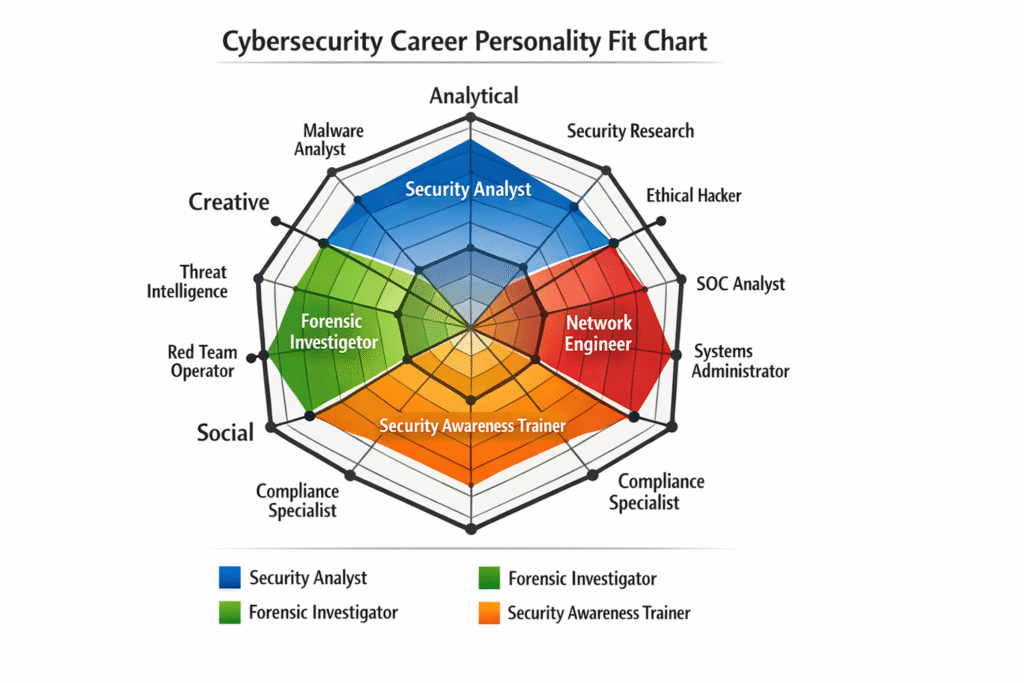
Don’t just chase the money. Choose the stress you can handle.
| If you are… | You might like… |
| Curious, patient, and love solving mysteries. | Blue Team (SOC/DFIR) |
| Relentless, creative, and willing to fail 99 times to win once. | Red Team (Pentester) |
| Organized, good at writing, and like big-picture strategy. | GRC (Governance) |
| A builder who loves automation and infrastructure. | Cloud Security / Engineering |
The “entry-level” paradox is real—employers want experience for entry-level jobs. The cheat code? Build a Home Lab.
Don’t just read about it. Download Kali Linux, set up a virtual machine, try to hack it, and look at the logs to see what happened. Document it on a blog or GitHub. In 2026, a portfolio of projects beats a resume full of buzzwords every time.
Ready to start? Pick one foundational skill today (like Linux) and spend 30 minutes on it. Future you will thank you.
-By Ayur Hansda


